How to Build a Bareknuckle Boxing Bag on a Budget
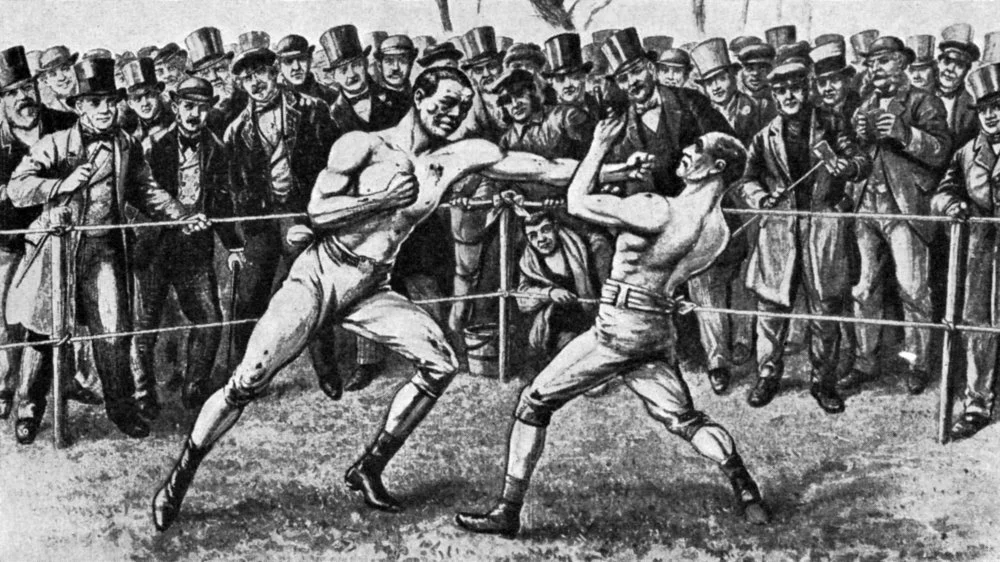
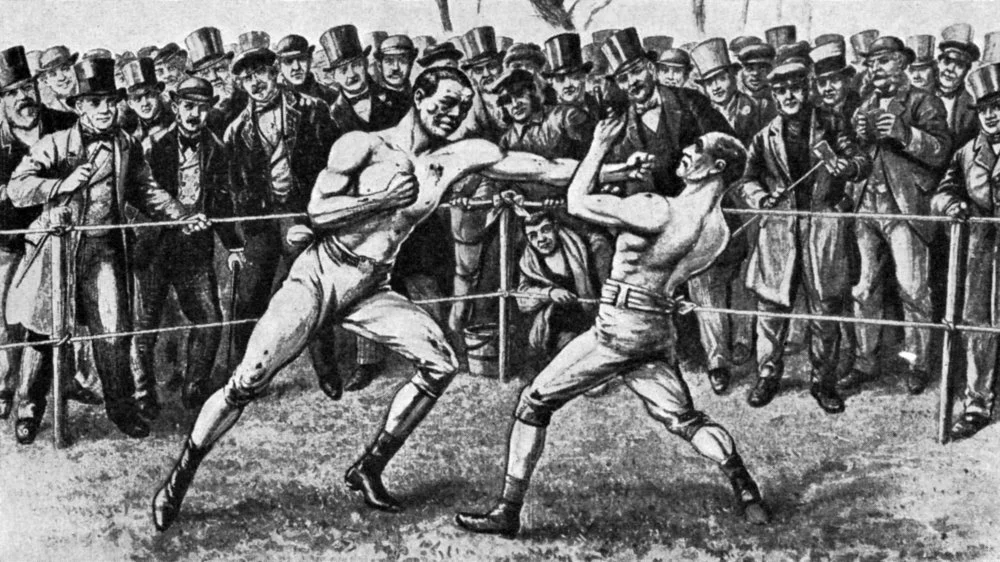
Bareknuckle boxing is one of the purest forms of striking. No big gloves to hide behind. Just hands, timing, and the ability to take and deliver force cleanly. It demands better structure, tougher skin, and more honest conditioning than gloved work. This is coming from someone who actuallyboxed as well.
I had wrist issues from boxing training for years. After my competitive days, I started training without wraps, and the pain went away within weeks. I haven’t had wrist issues since. I put this down to the fact that when you don’t have wraps holding your hand and wrist in place, you have to improve your alignment - as well as toughen your connective tissue.
I wanted a bag that could handle that kind of training without falling apart or costing a fortune. Most commercial options are either too soft, too expensive, to rough, or not built for the impact that comes with bareknuckle work.
So I made one.
This post breaks down how I built a durable bareknuckle bag using a simple method that anyone can do with basic materials. I adapted the War Yoga instructions. You can get a copy of those here.
Watch the full build
I filmed the entire process here:
Why bother making your own?
A good bareknuckle bag needs to be dense enough to take real shots without excessive give, while still being practical to hang and maintain. Store-bought bags often miss that are often not designed for the weight of sand-filling or smooth enough for bare knuckles. Building your own lets you control the density, size, and durability.
It also costs a fraction of a commercial bag.
The knots I used
Two knots did most of the heavy lifting in this build:
Constrictor Knot – extremely secure under load. Ideal for binding and locking things down tightly.
Simple Lashing – clean and strong for joining or securing sections.
I made short demos of both on the Strong for Life Training channel if you want to see the exact technique.
Who this is for
This build suits anyone who trains seriously and wants equipment that matches the work. It’s especially useful if you train at home, in a garage, or you just like making your own gear.
If you already do combat training and care about conditioning that carries over to the real thing, this kind of project fits the same mindset.
Are You a Combat or Tactical Athlete?
I work with people who want strength that holds up under pressure — whether that’s combat sports, tactical work, or just staying capable for life.
You can see how I approach it here: Combat & Tactical Coaching
Or browse client results: Transformations